Popular Tsurumi Pond Pump Series
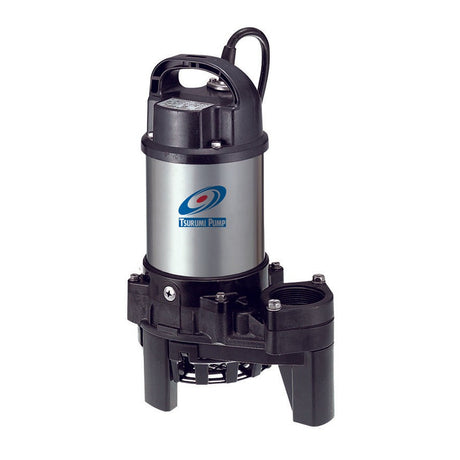
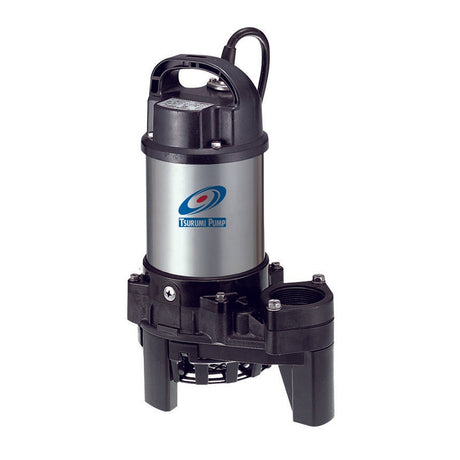
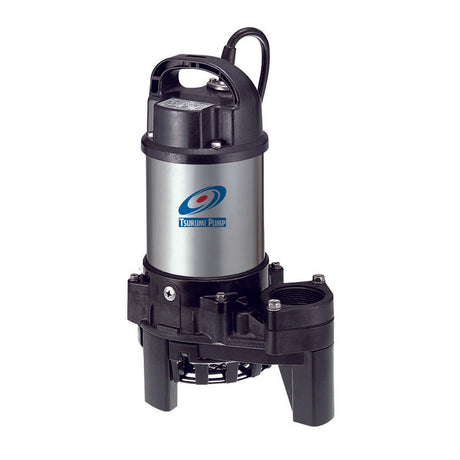
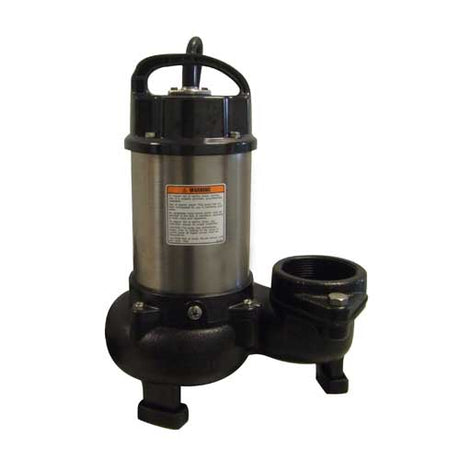
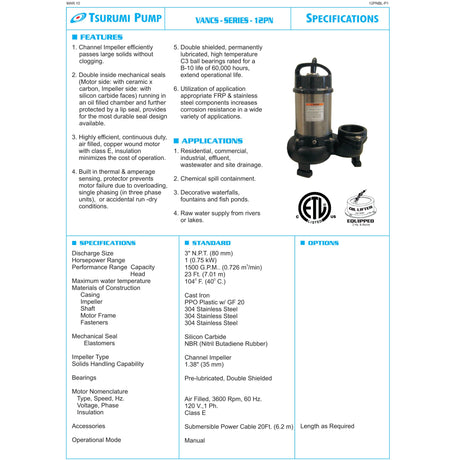
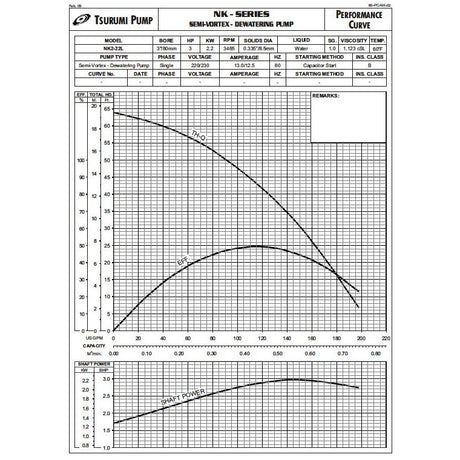
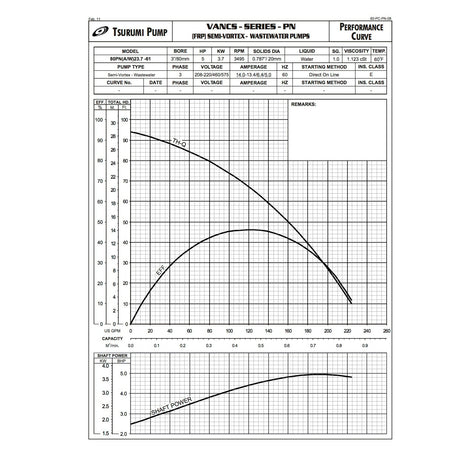
PN Series
Best for waterfalls and koi ponds with higher head pressure requirements.
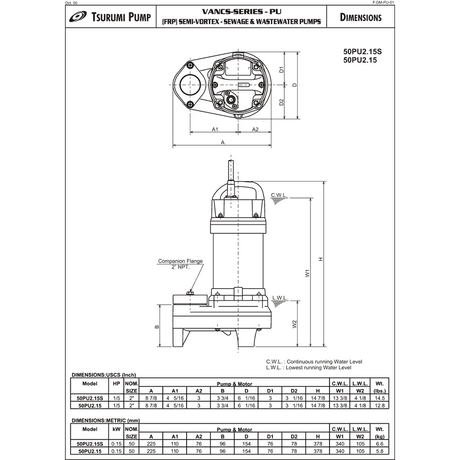
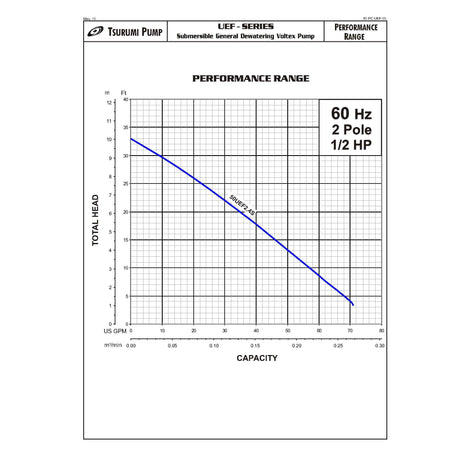
PU Series
Compact energy-efficient circulation pumps for smaller ponds and decorative features.
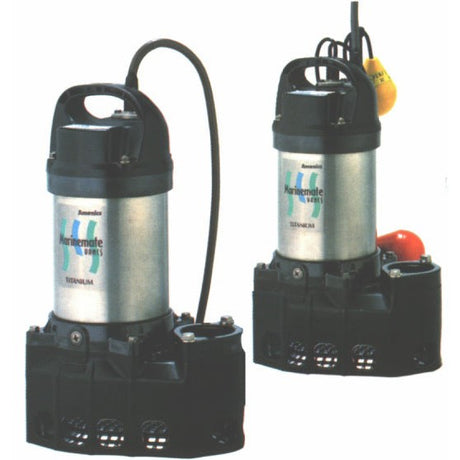
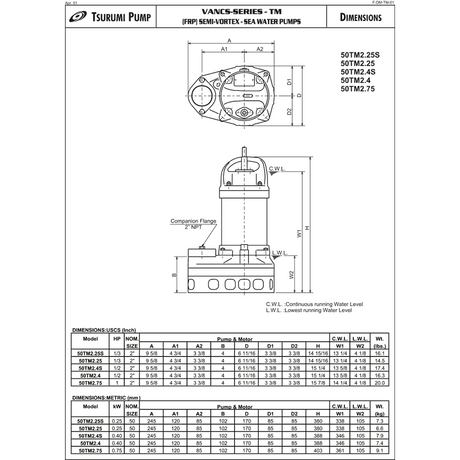
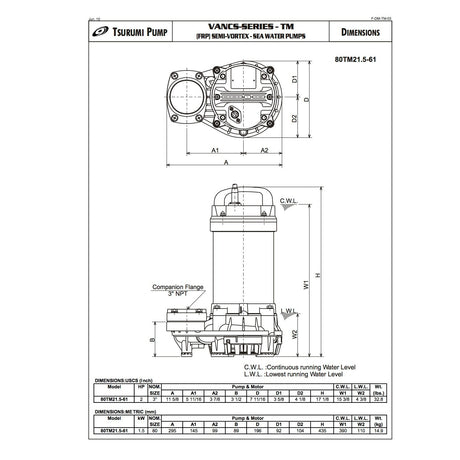
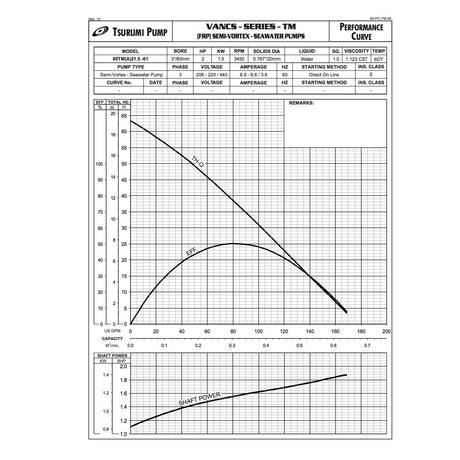
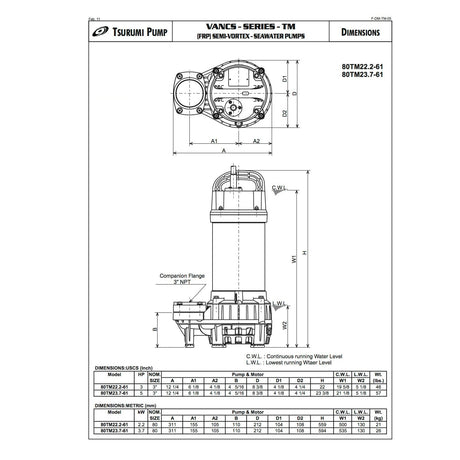
TM Series
Titanium corrosion-resistant pumps for saltwater and aggressive environments.
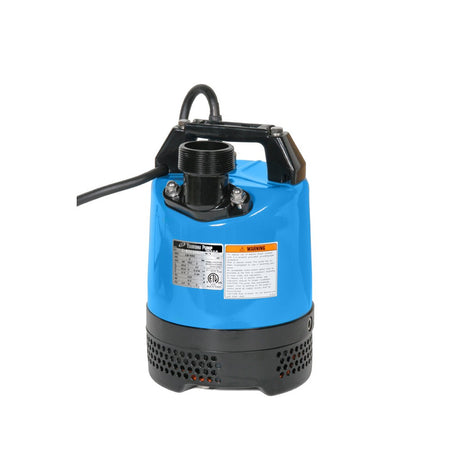
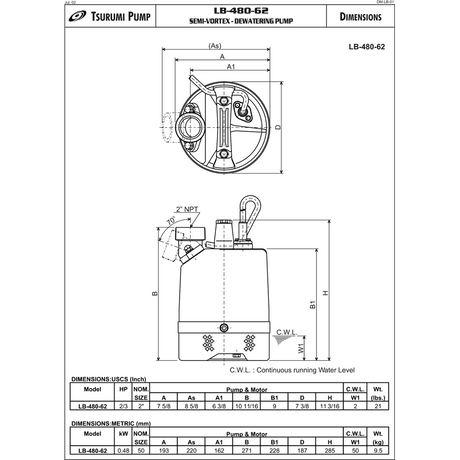
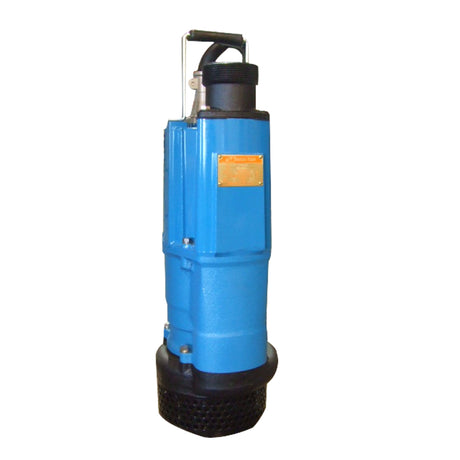
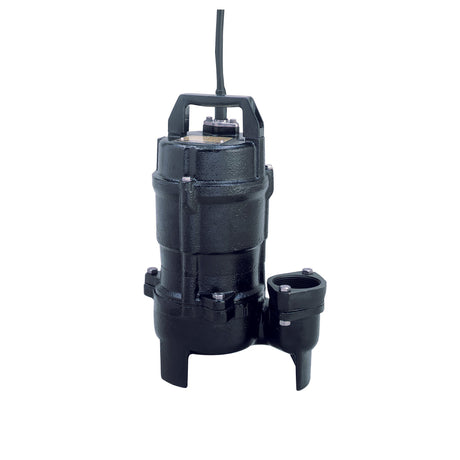
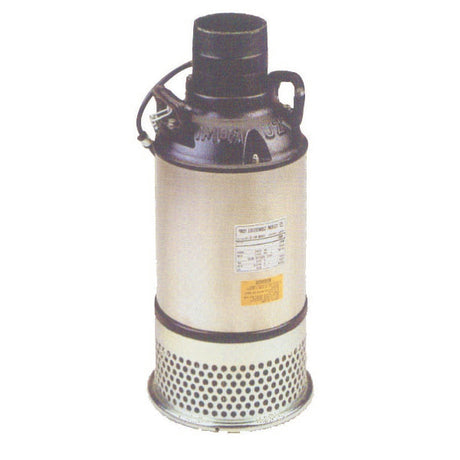
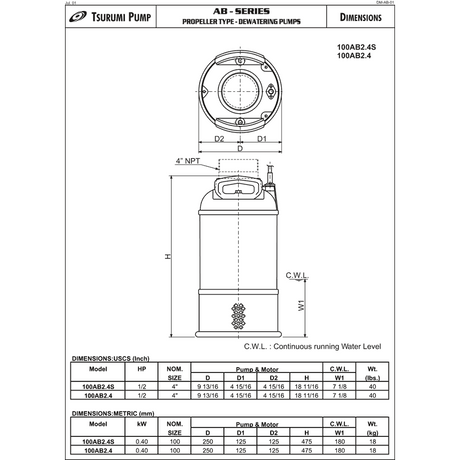
LB Series
Portable dewatering and sump pumps for drainage applications.
H2
Tsurumi vs ShinMaywa Pond Pumps
Tsurumi pumps are generally preferred for:
- higher head pressure
- waterfalls
- abrasive environments
ShinMaywa pumps are often preferred for:
- energy efficiency
- continuous pond circulation
- debris handling
Link to full comparison blog.
How to Choose the Right Tsurumi Pond Pump
Choosing the right Tsurumi pond pump depends on your pond size, waterfall setup, flow requirements, and how long the pump will operate each day. Tsurumi pumps are designed for continuous-duty performance, making them ideal for koi ponds, waterfalls, decorative water features, and professional pond systems.
1. Determine Your Pond Size
The size of your pond helps determine the flow rate your pump needs.
As a general rule:
- Koi ponds should circulate the entire pond volume once every 1–2 hours
- Water gardens and decorative ponds may require less aggressive circulation
Example:
- 2,000-gallon pond → approximately 2,000–4,000 GPH recommended
- 5,000-gallon pond → approximately 5,000–10,000 GPH recommended
For larger koi ponds or heavily stocked systems, higher circulation rates help improve oxygen levels and filtration performance.
2. Calculate Required Flow Rate (GPH)
Flow rate is measured in gallons per hour (GPH) and determines how much water the pump can move.
The right flow rate depends on:
- pond size
- waterfall width
- filtration system
- desired water movement
Typical recommendations:
- Small decorative ponds: 1,000–3,000 GPH
- Medium koi ponds: 3,000–6,000 GPH
- Large waterfalls and pondless systems: 6,000+ GPH
The Tsurumi PN Series is especially popular for high-flow waterfall and koi pond applications.
3. Consider Head Height
Head height refers to how high the pump must push water from the pump location to the waterfall, stream, or return point.
Higher head pressure reduces actual flow output.
For example:
- A pump rated at 5,000 GPH at zero head may deliver significantly less flow at 10–20 feet of elevation
If your system includes:
- tall waterfalls
- long pipe runs
- elevated spillways
you’ll need a pump designed for stronger high-head performance.
The Tsurumi 8PN is one of the best choices for higher waterfall elevations due to its excellent head pressure capabilities.
4. Match the Pump to Your Waterfall or Feature
Different pond features require different flow characteristics.
Best for Koi Ponds
Best for Tall Waterfalls
Best for Wide Spillways & Sheet Falls
Best for Compact Decorative Features
Choosing the right model ensures proper water movement without excessive energy usage.
5. Choose a Pump Built for Continuous-Duty Operation
Most pond systems run 24/7, especially koi ponds and biological filtration systems.
Tsurumi pond pumps are designed for:
- continuous operation
- long service life
- low-maintenance performance
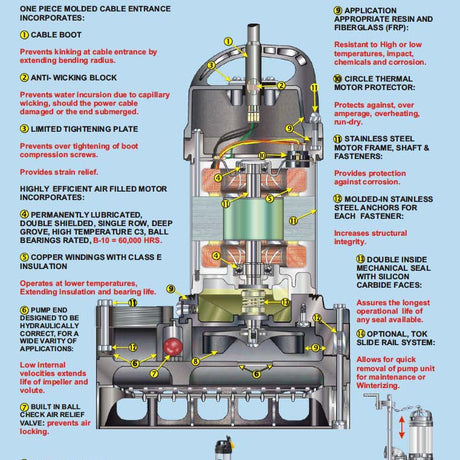
Features like:
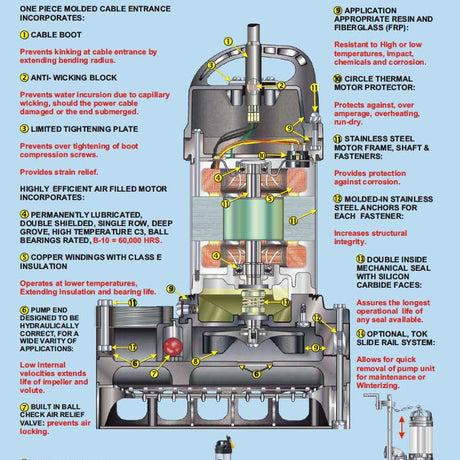
- stainless steel housings
- dual mechanical seals
- corrosion-resistant components
help Tsurumi pumps perform reliably in demanding pond environments.
Need Help Choosing the Right Tsurumi Pump?
Our team can help you select the best Tsurumi pond pump based on:
- pond size
- waterfall height
- filtration setup
- desired flow rate
Contact ePumps for expert sizing assistance and product recommendations.Shop Tsurumi Pumps by Application
Best for Koi Ponds
Best for Waterfalls
Best for Pondless Waterfalls
TM Series
Best for Continuous-Duty Circulation
Best for Dewatering & Sump Applications
Popular Tsurumi Pond Pump Series
PN Series
Best for waterfalls and koi ponds with higher head pressure requirements.
PU Series
Compact energy-efficient circulation pumps for smaller ponds and decorative features.
TM Series
Titanium corrosion-resistant pumps for saltwater and aggressive environments.
LB Series
Portable dewatering and sump pumps for drainage applications.
H2
Tsurumi vs ShinMaywa Pond Pumps
Tsurumi pumps are generally preferred for:
- higher head pressure
- waterfalls
- abrasive environments
ShinMaywa pumps are often preferred for:
- energy efficiency
- continuous pond circulation
- debris handling
Link to full comparison blog.
How to Choose the Right Tsurumi Pond Pump
Choosing the right Tsurumi pond pump depends on your pond size, waterfall setup, flow requirements, and how long the pump will operate each day. Tsurumi pumps are designed for continuous-duty performance, making them ideal for koi ponds, waterfalls, decorative water features, and professional pond systems.
1. Determine Your Pond Size
The size of your pond helps determine the flow rate your pump needs.
As a general rule:
- Koi ponds should circulate the entire pond volume once every 1–2 hours
- Water gardens and decorative ponds may require less aggressive circulation
Example:
- 2,000-gallon pond → approximately 2,000–4,000 GPH recommended
- 5,000-gallon pond → approximately 5,000–10,000 GPH recommended
For larger koi ponds or heavily stocked systems, higher circulation rates help improve oxygen levels and filtration performance.
2. Calculate Required Flow Rate (GPH)
Flow rate is measured in gallons per hour (GPH) and determines how much water the pump can move.
The right flow rate depends on:
- pond size
- waterfall width
- filtration system
- desired water movement
Typical recommendations:
- Small decorative ponds: 1,000–3,000 GPH
- Medium koi ponds: 3,000–6,000 GPH
- Large waterfalls and pondless systems: 6,000+ GPH
The Tsurumi PN Series is especially popular for high-flow waterfall and koi pond applications.
3. Consider Head Height
Head height refers to how high the pump must push water from the pump location to the waterfall, stream, or return point.
Higher head pressure reduces actual flow output.
For example:
- A pump rated at 5,000 GPH at zero head may deliver significantly less flow at 10–20 feet of elevation
If your system includes:
- tall waterfalls
- long pipe runs
- elevated spillways
you’ll need a pump designed for stronger high-head performance.
The Tsurumi 8PN is one of the best choices for higher waterfall elevations due to its excellent head pressure capabilities.
4. Match the Pump to Your Waterfall or Feature
Different pond features require different flow characteristics.
Best for Koi Ponds
Best for Tall Waterfalls
Best for Wide Spillways & Sheet Falls
Best for Compact Decorative Features
Choosing the right model ensures proper water movement without excessive energy usage.
5. Choose a Pump Built for Continuous-Duty Operation
Most pond systems run 24/7, especially koi ponds and biological filtration systems.
Tsurumi pond pumps are designed for:
- continuous operation
- long service life
- low-maintenance performance
Features like:
- stainless steel housings
- dual mechanical seals
- corrosion-resistant components
help Tsurumi pumps perform reliably in demanding pond environments.
Need Help Choosing the Right Tsurumi Pump?
Our team can help you select the best Tsurumi pond pump based on:
- pond size
- waterfall height
- filtration setup
- desired flow rate
Contact ePumps for expert sizing assistance and product recommendations.

 View Details
 View Details
 View Details