View Details
Tsurumi Pump
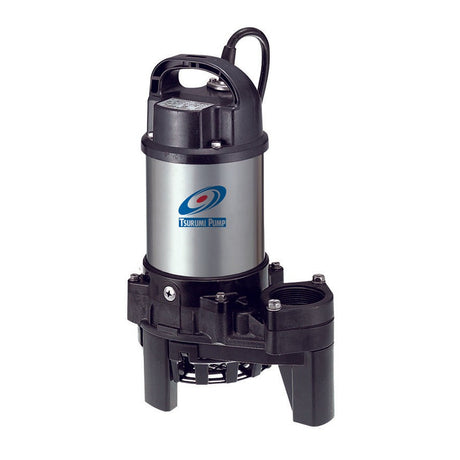
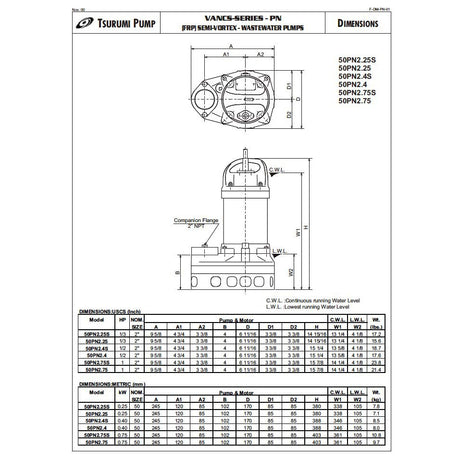
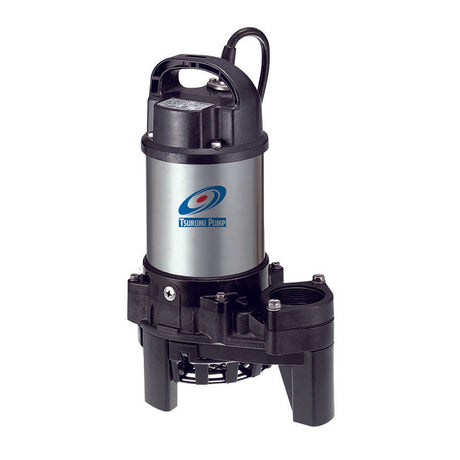
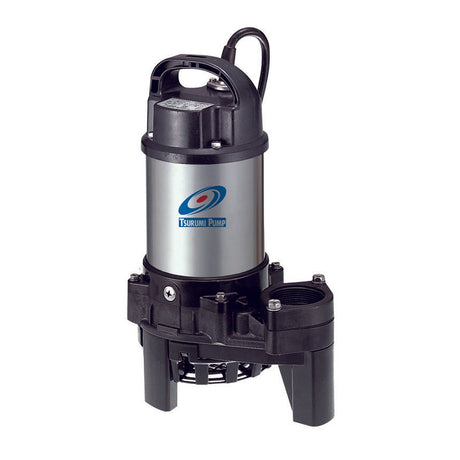
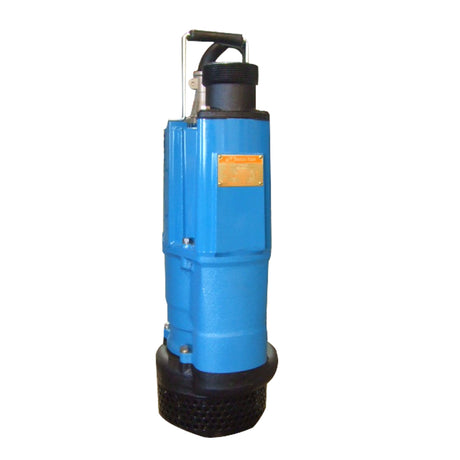
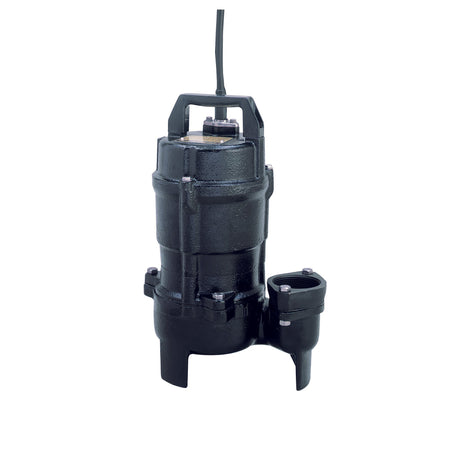
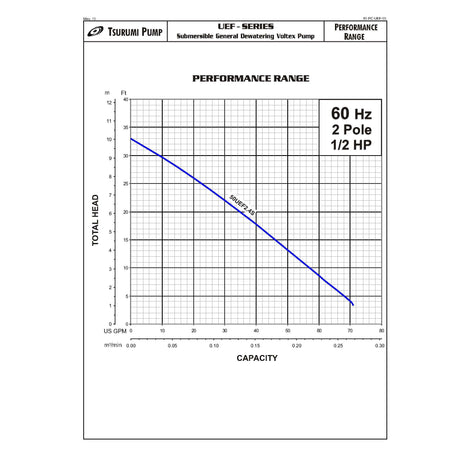
Tsurumi Submersible Pump VANCS50PN2.4S (4PN) Pond Pump System
50PN2.4S (4-PN)
$642.60$939.00Unit price /Unavailable-
 View Details
Tsurumi Pump
Tsurumi Submersible Pump VANCS50PN2.75S (8PN) Pond Pump System
50PN2.75S (8-PN)
$777.60$1,085.00Unit price /Unavailable -
View Details
Tsurumi Pump
Tsurumi Submersible Pump VANCS 50PN2.25S (3PN) Pond Pump System
50PN2.25S (3-PN)
$529.20$740.00Unit price /Unavailable -
View Details
Tsurumi Pump
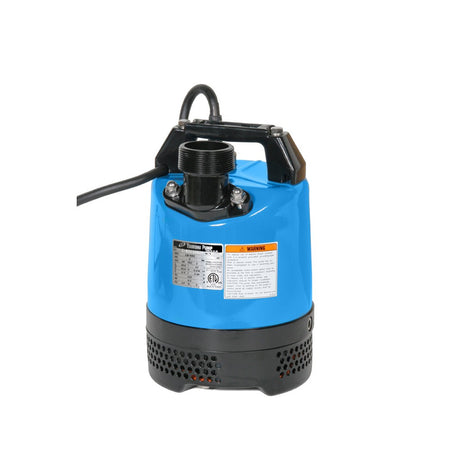
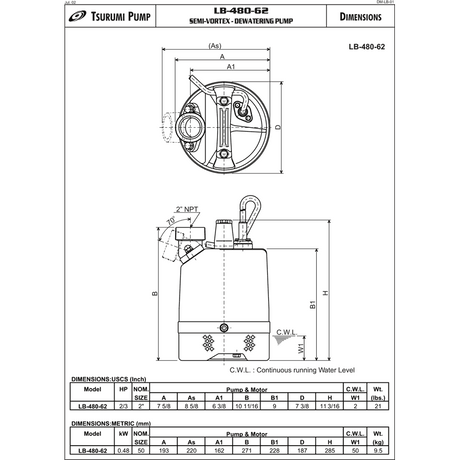
Tsurumi Submersible Pump LB-480 Sump Pump System
LB-480
$405.00$610.00Unit price /Unavailable -
View Details
Tsurumi Pump
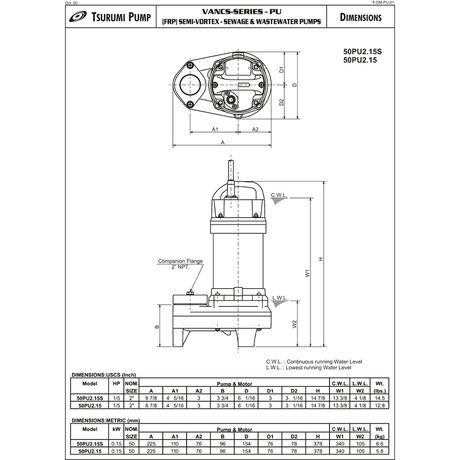
Tsurumi Submersible Pump VANCS50PU2.15S (2PU) Pond Pump System
50PU2.15S (2-PU)
$396.90$685.00Unit price /Unavailable 
 View Details
Tsurumi Pump
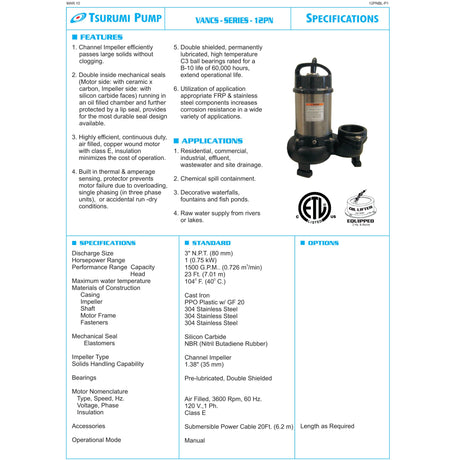
Tsurumi Submersible Pump 1 H.P. 1/115V 12PN Pond Pump System
12PN
$869.40$1,200.00Unit price /Unavailable-
View Details
Shinmaywa
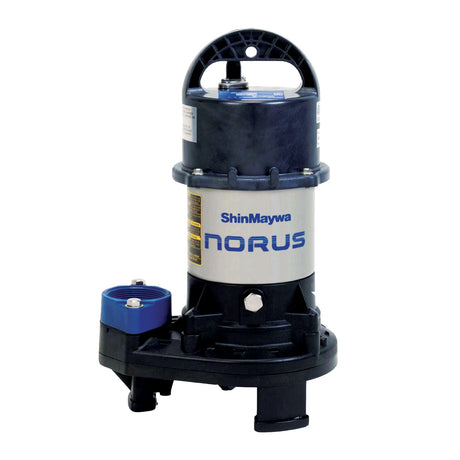
ShinMaywa 50CR2.75S Submersible Pond Pump 1 HP 115V 2" NPT
50CR2.75S
$825.00$1,095.00Unit price /Unavailable -
View Details
Tsurumi Pump
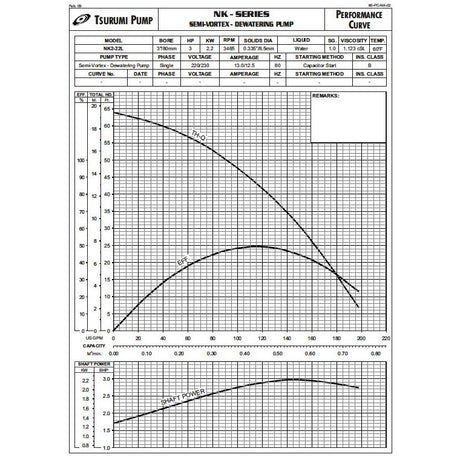
Tsurumi Submersible Pump NK4-22L Sump Pump System
NK4-22L
$2,645.10$3,700.00Unit price /Unavailable -
View Details
Tsurumi Pump
Tsurumi Submersible Pump VANCS50PN2.75S 220V (8PN) Pond Pump System
50PN2.75S (8-PN)
$777.60$1,155.00Unit price /Unavailable -
View Details
Tsurumi Pump
Tsurumi Submersible Pump 50UT2.4S Sump Pump System
50UT2.4S
$354.60$475.00Unit price /Unavailable -
View Details
Tsurumi Pump
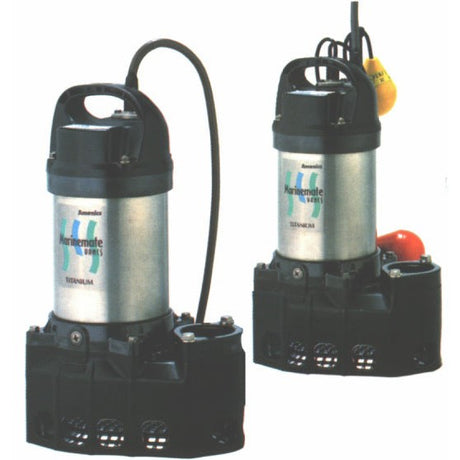
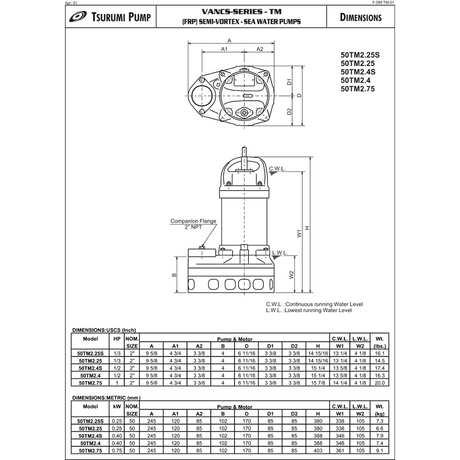
Tsurumi Submersible Pump VANCS50TM2.4S Pond Pump System
50TM2.4S
$1,314.00$1,750.00Unit price /Unavailable  View Details
Tsurumi Pump
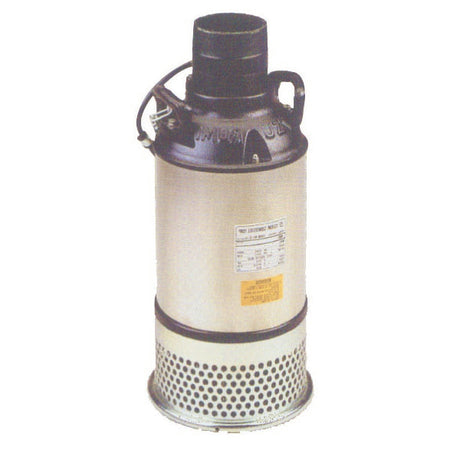
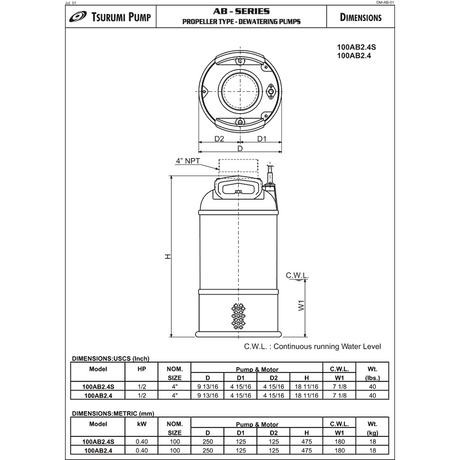
Tsurumi Submersible Pump 100AB2.4S Pond Pump System
100AB2.4S
$1,186.20$1,975.00Unit price /Unavailable-
View Details
Tsurumi Pump
Tsurumi Submersible Pump 50UT2.75S Sump Pump System
50UT2.75S
$517.50$680.00Unit price /Unavailable -
View Details
Tsurumi Pump
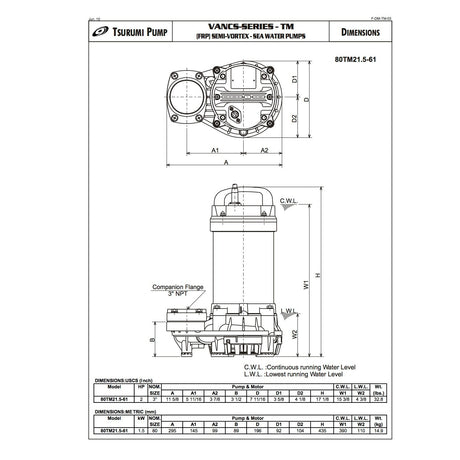
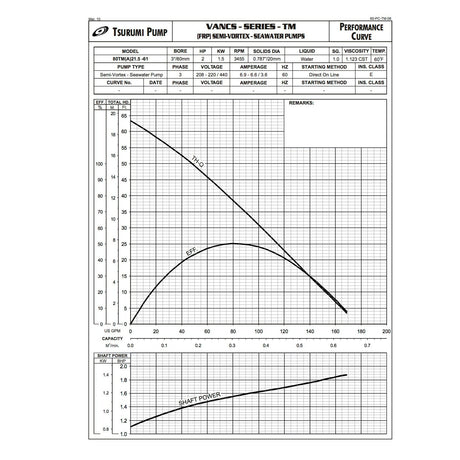
Tsurumi Submersible Pump 80TM21.5 3/220-460V Titanium Sump Pump System
80TM21.5
$2,790.00$4,500.00Unit price /Unavailable -
View Details
Tsurumi Pump
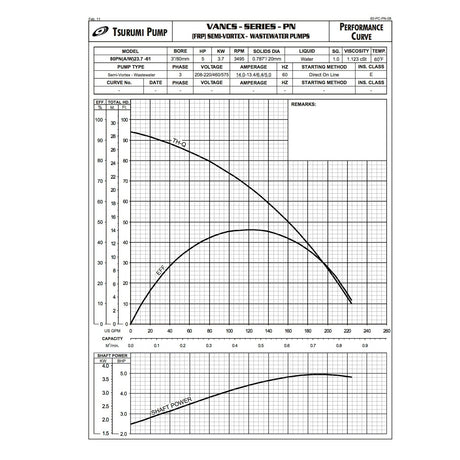
Tsurumi Submersible Pump 80TM23.7 Titanium Sump Pump System
80TM23.7
$4,896.00$6,500.00Unit price /Unavailable -
View Details
Tsurumi Pump
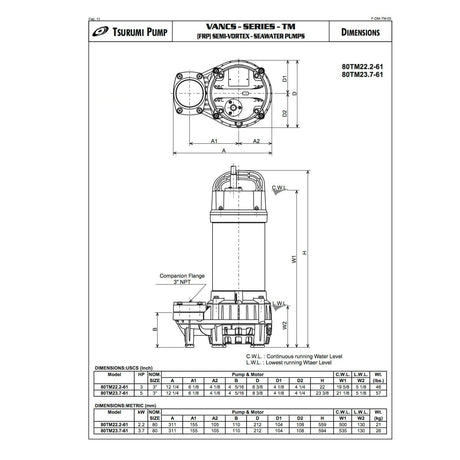
Tsurumi Submersible Pump 80TM22.2 3/220-460V Titanium Sump Pump System
80TM22.2
$4,018.50$6,300.00Unit price /Unavailable