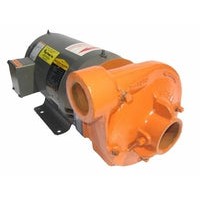
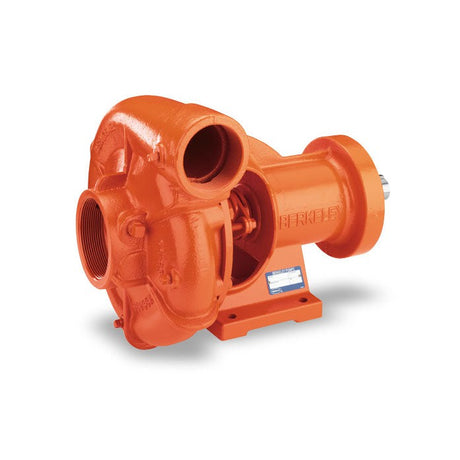
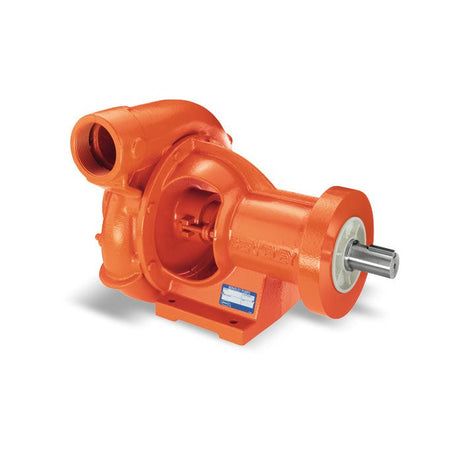
Shop Berkeley Pumps by Application
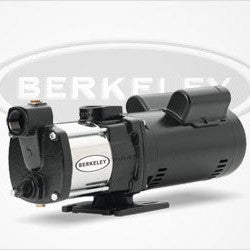
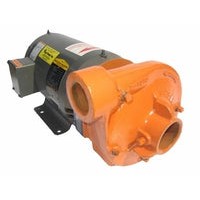
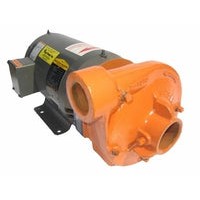
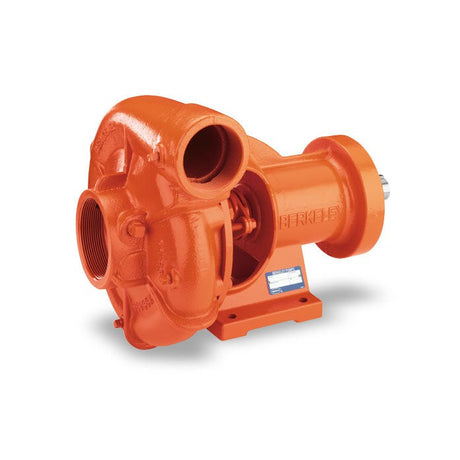
Berkeley Booster Pumps
Commercial pressure boosting systems for multi-story buildings, water distribution systems, and high-pressure applications.
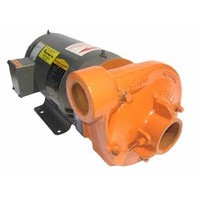
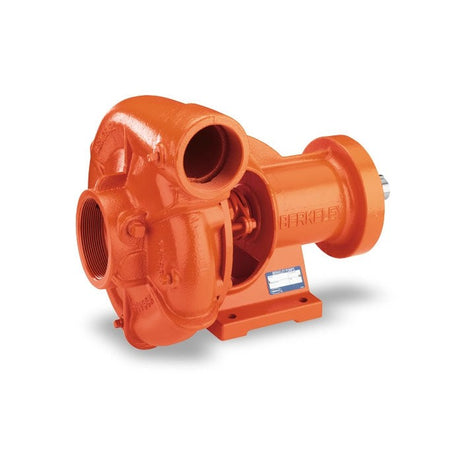
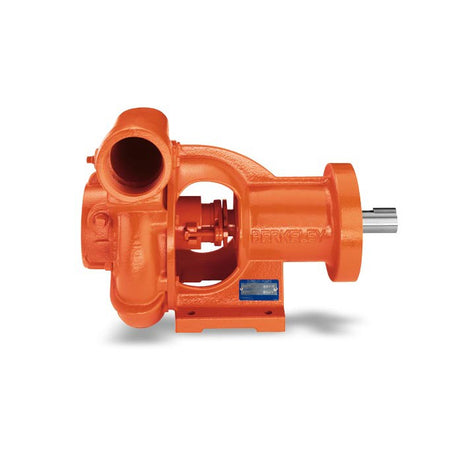
Berkeley Irrigation Pumps
High-flow agricultural and irrigation systems designed for farms, landscaping, and large water movement applications.
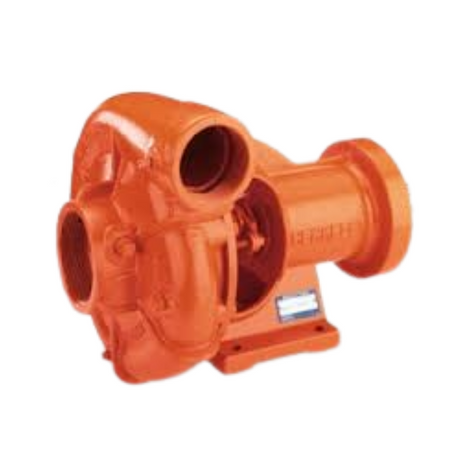
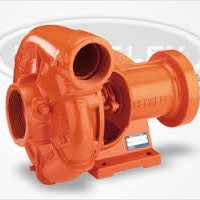
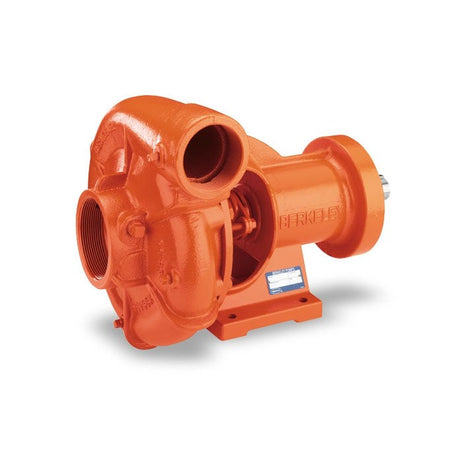
Berkeley Centrifugal Pumps
Commercial centrifugal systems for water transfer, circulation, and industrial pumping applications.
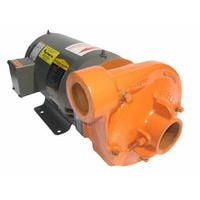
Berkeley Well Pumps
Reliable well pump systems for irrigation wells, agricultural systems, and commercial water supply applications.
Berkeley Transfer Pumps
Heavy-duty water transfer systems designed for high-volume water movement and industrial use.
Why Commercial Buyers Choose Berkeley Pumps
Berkeley pumps are widely used in commercial and agricultural systems because they are designed for:
- high-flow performance
- continuous operation
- pressure consistency
- irrigation reliability
- demanding commercial environments
Known for their strong hydraulic performance and durable construction, Berkeley pumps are commonly installed in:
- irrigation systems
- commercial booster stations
- agricultural operations
- industrial water transfer systems
- high-volume circulation applications
Key advantages include:
- commercial-grade durability
- broad horsepower options
- strong pressure performance
- high-flow capabilities
- flexible system configurations
Berkeley pumps are especially popular in irrigation and pressure booster systems where long-term reliability and consistent water movement are critical.
How to Choose the Right Berkeley Pump
Choosing the right Berkeley pump depends on your application, required flow rate, pressure demands, and system size. Berkeley pumps are designed for commercial, agricultural, irrigation, and industrial water movement applications, with configurations available for both high-flow and high-pressure systems.
1. Determine Your Application
Start by identifying how the pump will be used.
Irrigation Systems
Designed for:
- farms
- landscaping
- agricultural water movement
- large-area watering systems
Booster Applications
Used for:
- commercial buildings
- pressure boosting
- water distribution systems
- multi-story applications
Water Transfer Systems
Designed for:
- moving large water volumes
- industrial water movement
- tank filling
- circulation systems
Different Berkeley pump configurations are optimized for different operating conditions and pressure requirements.
2. Calculate Required Flow Rate (GPM)
Flow rate, measured in gallons per minute (GPM), determines how much water your system needs to move.
Typical applications:
- Small irrigation systems: 20–50 GPM
- Commercial booster systems: 50–150+ GPM
- Agricultural systems: 100+ GPM
Larger systems with multiple zones or long pipe runs generally require higher-capacity pumps.
3. Understand Total Dynamic Head (TDH)
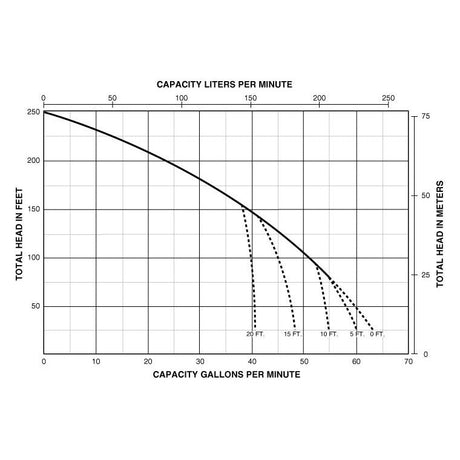
Total Dynamic Head (TDH) measures how hard the pump must work to move water through the system.
TDH includes:
- elevation changes
- pipe friction
- pressure requirements
- discharge distance
Higher TDH often requires:
- multi-stage systems
- larger motors
- higher-pressure pump configurations
Properly calculating TDH helps ensure:
- stable system pressure
- efficient performance
- longer equipment life
4. Choose Between Centrifugal and Booster Systems
Centrifugal Pumps
Best for:
- high-flow movement
- transfer applications
- irrigation circulation
- lower-pressure systems
Booster Pumps
Best for:
- pressure boosting
- commercial water systems
- multi-story buildings
- long-distance water delivery
The correct configuration depends on whether your system prioritizes flow volume or pressure performance.
5. Match Horsepower to System Demand
Berkeley pumps are available in a wide range of horsepower configurations for both light commercial and heavy-duty industrial applications.
Typical recommendations:
- Small systems: 1–2 HP
- Medium commercial systems: 3–5 HP
- Large agricultural systems: 5+ HP
Choosing the correct horsepower helps prevent:
- pressure loss
- motor strain
- inefficient operation
- premature wear
Berkeley vs Sta-Rite Pumps
Berkeley pumps are generally preferred for:
- commercial systems
- agricultural irrigation
- high-flow applications
- booster systems
- industrial water movement
Sta-Rite pumps are generally preferred for:
- residential well systems
- homeowner pressure systems
- smaller irrigation setups
- residential water supply applications
For commercial and agricultural environments requiring high-capacity water movement and pressure performance, Berkeley pumps are often the better fit. For residential wells and homeowner systems, Sta-Rite pumps are typically the more practical choice.
Link to full comparison blog.
Best Berkeley Pumps by Application
Best for Commercial Booster Systems
B3ZRM Series
Best for Irrigation Systems
B1WPS Series
Best for High-Flow Water Transfer
Commercial Centrifugal Series
Best for Agricultural Applications
Berkeley Irrigation Booster Systems
Best for Commercial Water Distribution
Multi-stage Booster Systems
Popular Berkeley Pump Types
Berkeley Booster Pumps
Pressure boosting systems designed for commercial buildings, irrigation systems, and water distribution applications.
Berkeley Irrigation Pumps
High-flow agricultural pumps designed for farms, landscaping, and large-scale irrigation systems.
Berkeley Centrifugal Pumps
Commercial centrifugal systems designed for water transfer, circulation, and industrial pumping applications.
Berkeley Well Pumps
Reliable well pump systems for agricultural wells and commercial water supply systems.
Berkeley Transfer Pumps
Heavy-duty systems designed for high-volume water movement and industrial transfer applications.

 View Details